Evidence Dossier: A record proves that a statement, transfer, examination, or result was documented. It does not automatically prove the anomalous interpretation attached to it.
An unknown intruder murdered eight people, including six children, with an axe at the Moore family home in Villisca, Iowa, between the late hours of June 9 and early hours of June 10, 1912.
Strong for the occurrence of the murders and the identity of the victims. Very weak for the identity of the perpetrator, as multiple investigations, Grand Jury inquests, and trials of suspects (including Reverend George Kelly and Frank Jones) resulted in no convictions.
Investigative Assessments
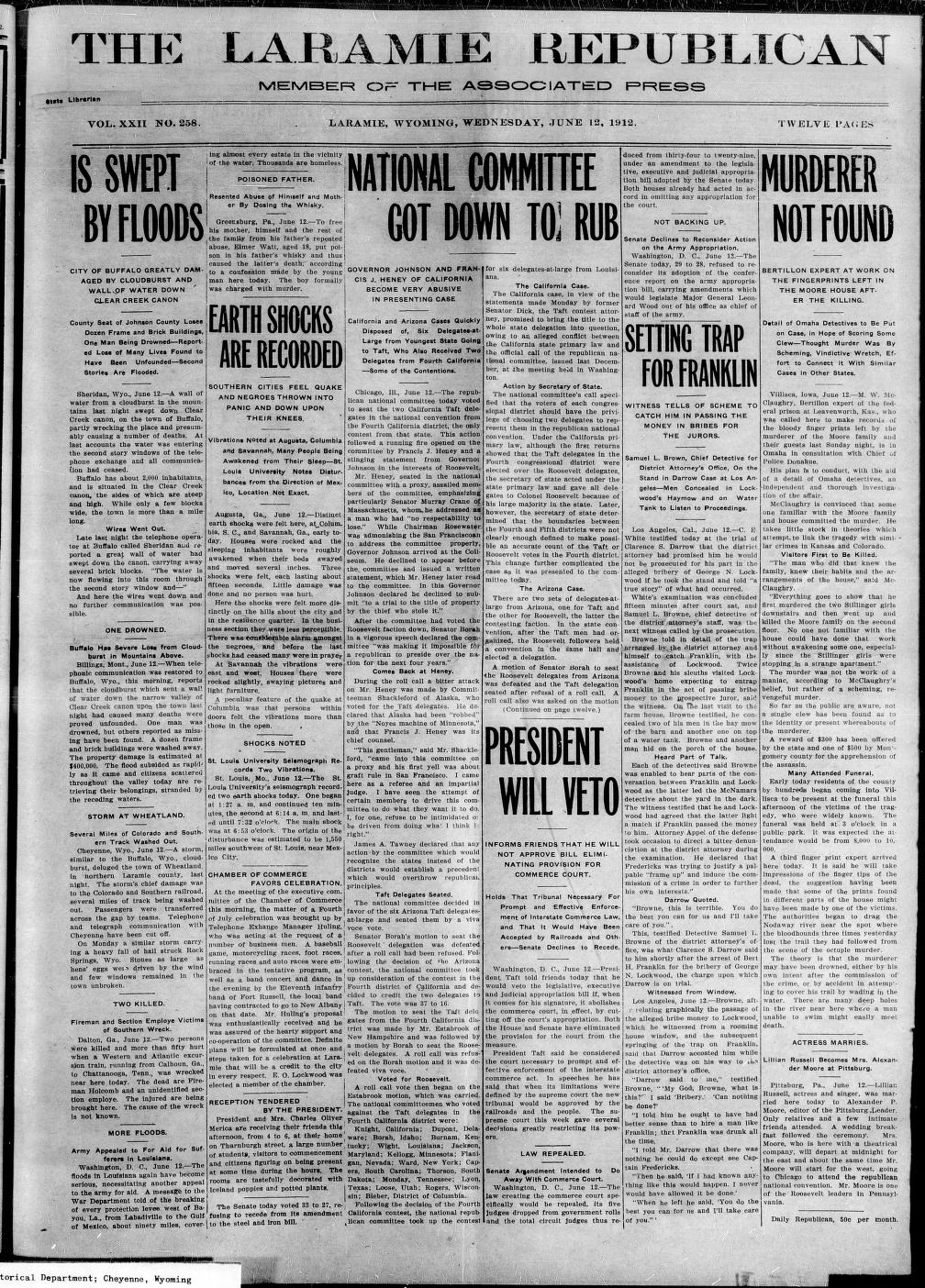
"The reported claim remains worth testing against the record: An unknown intruder murdered eight people, including six children, with an axe at the Moore family home in Villisca, Iowa, between the late hours of June 9 and early hours of June 10, 1912. The strongest documented reasons to keep the file open are: The Madison Daily Leader Coverage: Confirms the discovery date, the names of the victims, and the murder weapon; The Laramie Republican June 12 Coverage: Confirms the arrival of bloodhounds and the failure to trace the suspect. Key unresolved lead: Who was the individual who entered the Moore home and committed the murders?"
"Evidentiary limitations: Strong for the occurrence of the murders and the identity of the victims. Very weak for the identity of the perpetrator, as multiple investigations, Grand Jury inquests, and trials of suspects (including Reverend George Kelly and Frank Jones) resulted in no convictions. Note that: The Madison Daily Leader Coverage fails to support: Does not identify the killer, reporting only early confusion and panic; The Laramie Republican June 12 Coverage fails to support: Contains sensational rumors of suspicious men being sighted. Documented contradiction: Early newspaper reports claimed that the killer was cornered or that suspect arrests were imminent, which conflicted with official police reports of no viable leads. Leading conventional hypothesis: The murders were committed by a transient serial killer."
Case Summary
Between the late hours of June 9 and the early hours of June 10, 1912, an unknown intruder murdered eight people in their sleep at the Moore family home in Villisca, Iowa. The victims included Josiah and Sarah Moore, their four children, and two young houseguests, Lena and Ina Stillinger. All eight were bludgeoned to death with an axe, which was found at the crime scene. Despite multiple intensive investigations, state-wide searches, Grand Jury inquests, and two highly publicized trials of a suspect (traveling preacher George Kelly), no one was ever convicted of the crime. Later folklore associated the house with ghost stories and hauntings, which must be strictly separated from the verifiable historical crime evidence.
Evidence Locker
3 inspectable evidence items. Claims and source findings are kept separate.
articleLocal copy hash-verifiedComplete source
The Madison Daily Leader Coverage
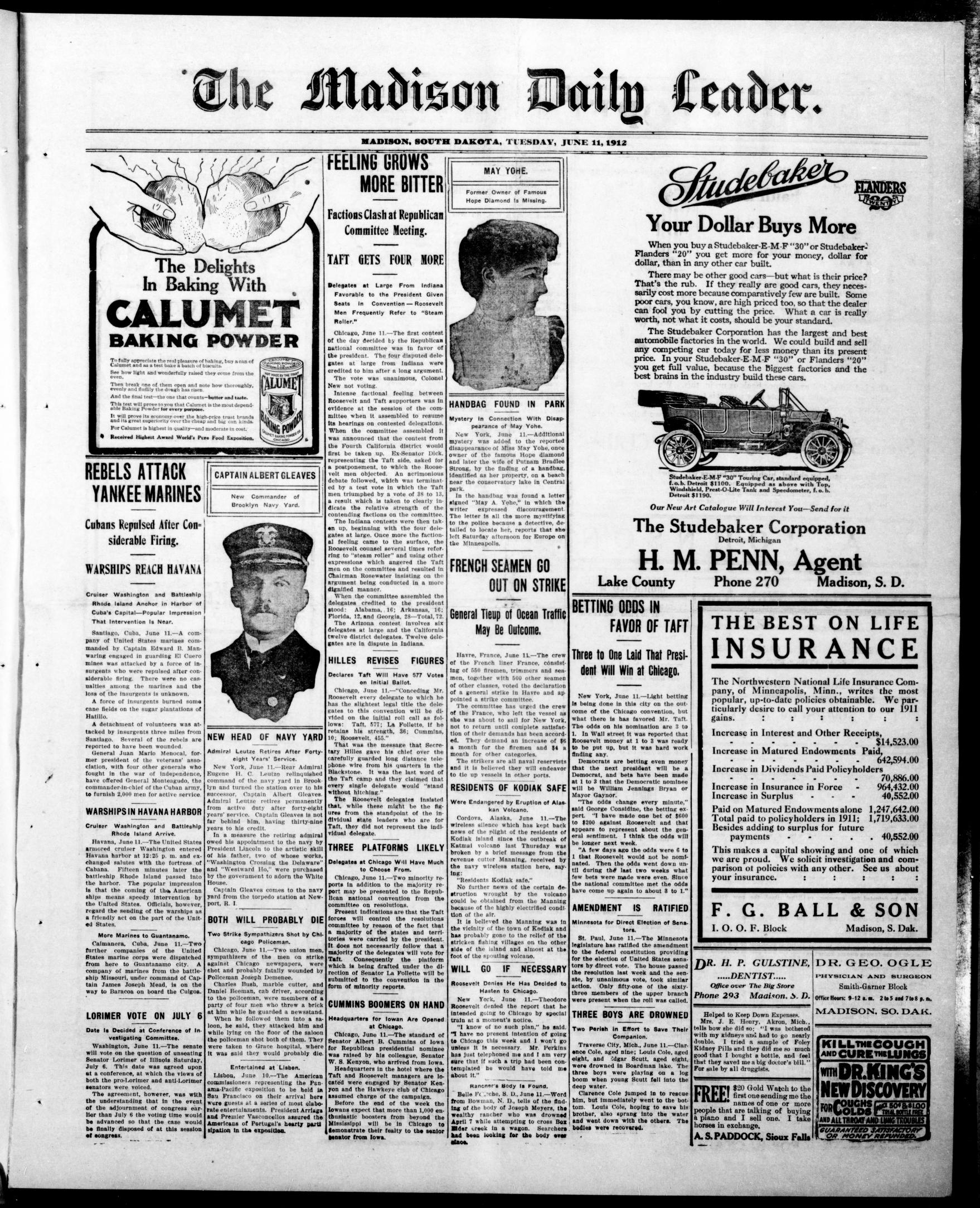
Analyst rating: Contemporaneous newspaper reporting confirming the initial discovery of the murders and the shock in the town.
“Eight persons, an entire family of six and two visiting children, were found murdered in their beds”
Record locationPage 1
Evidence classdocumentary
Relationship to claimcorroborates
Authenticity assessmentverified
What this supportsConfirms the discovery date, the names of the victims, and the murder weapon.
What it does not supportDoes not identify the killer, reporting only early confusion and panic.
ProvenanceChronicling America, Library of Congress.
Chain of custodyAcquired via LOC IIIF API, local hash verified.
Source completenessComplete. The full front page of the newspaper issue is preserved. Known gaps: No known completeness gaps recorded.
1912-06-09 21:30: Josiah Moore, his wife Sarah, their four children, and two visiting guests (Lena and Ina Stillinger) attend a children's day service at the Presbyterian church.
1912-06-10 00:00: The family and guests return home and fall asleep. An unknown killer enters the house and murders all eight occupants with an axe.
1912-06-10 07:30: Neighbor Mary Peckham notices the house is unusually quiet and alerts Josiah's brother, Ross Moore.
1912-06-10 08:30: Ross Moore enters the house and discovers the bodies; the crime scene is soon overrun by hundreds of curious townspeople.
1912-06-11: Contemporary newspapers, including The Madison Daily Leader, publish initial reports of the murders.
1912-06-12: The Laramie Republican reports on the search for the murderer and the arrival of bloodhounds.
1917: Reverend George Kelly is arrested and tried twice for the murder of Lena Stillinger; the first trial ends in a hung jury, and the second ends in acquittal.
Named Participants and Roles
Ross Moore, Brother of victim Josiah Moore. Account basis: Contemporaneous. Witness quality: High. First person to enter the home after the murders and discover the crime scene. Evidence: ev_madison_daily_leader
Mary Peckham, Neighbor of the Moore family. Account basis: Contemporaneous. Witness quality: High. First to notice the lack of morning activity at the Moore residence and contacted Ross Moore. Evidence: ev_madison_daily_leader
Contradictions and Record Conflicts
Early newspaper reports claimed that the killer was cornered or that suspect arrests were imminent, which conflicted with official police reports of no viable leads.
Conventional Explanations
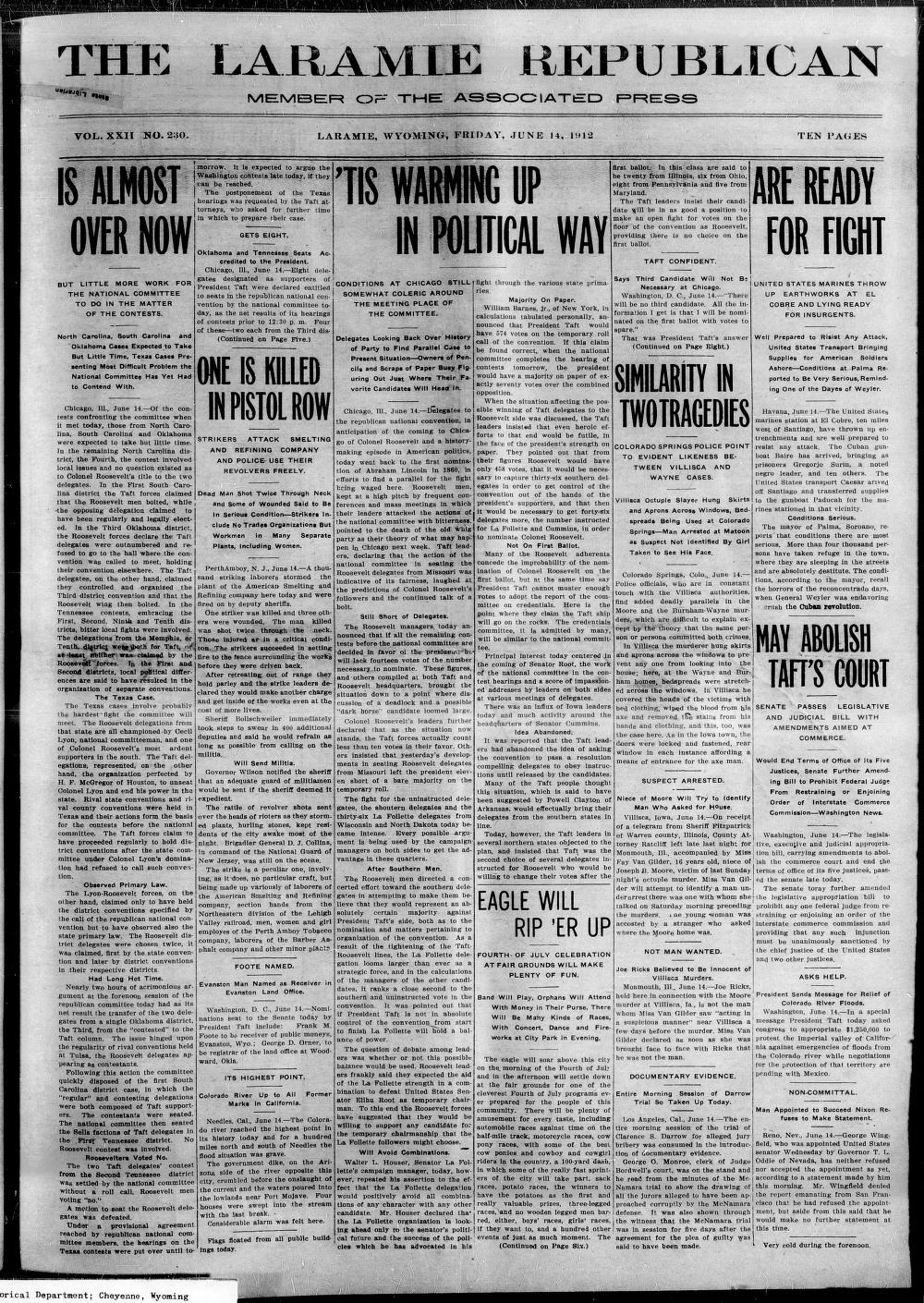
The murders were committed by a transient serial killer. Evidence for: The proximity of the house to the railroad and similar axe murders in the Midwest around the same time support a transient perpetrator. Limits: Does not explain the specific target selection or the lack of robbery motive. Evidence: ev_madison_daily_leader, ev_laramie_republican_12, ev_laramie_republican_14
Evidence Stance Matrix
Hypothesis
Stance
Rationale
Evidence IDs
The murders were committed by Reverend George Kelly, a traveling preacher who was present in Villisca and later confessed, though he later recanted and was acquitted.
Mixed
Kelly had a history of mental instability and was present in Villisca, and his trials generated intense debate, but the lack of corroborating evidence led to his acquittal.
The murders were commissioned by local politician Frank Jones and executed by a hired killer (possibly William Mansfield) due to business and personal rivalry.
Mixed
Jones had a public feud with Josiah Moore, and Burns detective James Wilkerson pushed this theory heavily, but a grand jury found no indictment and the evidence remains circumstantial.
ev_madison_daily_leader
The murders were the work of a serial axe murderer, such as Henry Lee Moore or a transient killer moving along the railroads.
Supports
Supported by the lack of direct local motive, the railroad proximity noted in suspect searches, and the similarities to other midwestern axe murders of the era.
Preserved fingerprint or forensic DNA evidence from the murder weapon Could definitively match a suspect to the axe used in the murders, which was handled by many onlookers.
What Remains Unresolved
The identity of the killer No suspect was convicted, and the crime scene was severely contaminated before modern forensic protocols could be applied.
Investigative Hypotheses
The murders were committed by Reverend George Kelly, a traveling preacher who was present in Villisca and later confessed, though he later recanted and was acquitted.
The murders were commissioned by local politician Frank Jones and executed by a hired killer (possibly William Mansfield) due to business and personal rivalry.
The murders were the work of a serial axe murderer, such as Henry Lee Moore or a transient killer moving along the railroads.
Open Questions
Who was the individual who entered the Moore home and committed the murders?
What was the motive, and was the killer a transient or someone known to the family?
Did the local authorities compromise key forensic evidence during the chaotic aftermath of the discovery?
Editorial context only: These media listings document broadcasts, adaptations, documentaries, or cultural references. They do not constitute evidence, corroboration, or investigative testimony.
Villisca: Living with a Mystery (2004)
documentary filmdirect documentary treatment
Examines the 1912 murders, principal suspects, trials, and the lasting effects on Villisca.